Sophie Holbrook · on 18 July 2026 · 9 min read · Last reviewed 18 July 2026
Nycgb guide is the focus here. The New London Children’s Choir (NLCC) offers several education and outreach initiatives designed to inspire and educate young people about music.
In plain terms: Think of these initiatives as musical seeds planted in the community, nurturing a new generation of music lovers and potential future choir members.
Key facts
- The NLCC runs weekly workshops in schools across London.
- Over 5,000 children participate in NLCC outreach programs annually.
- The choir has partnered with organizations like the Barbican Centre for educational projects.
- NLCC’s “Singing Schools” program introduces music education to primary schools.
New London Children’s Choir education initiatives nycgb guide
The NLCC’s education and outreach initiatives include school workshops, community performances, and collaborative projects with music organizations.
One of the NLCC’s flagship programs is its “Singing Schools” initiative, which brings music education to primary schools across London. According to the NLCC, this program has reached over 5,000 children annually, providing them with foundational music skills and fostering a love for singing. The choir also runs weekly workshops in partnership with local schools, where experienced conductors work with students to develop their vocal abilities and musical understanding. These workshops often culminate in performances, giving young singers the opportunity to showcase their progress. The NLCC collaborates with prestigious organizations like the Barbican Centre to deliver educational projects that enrich the musical lives of London’s youth. These initiatives not only inspire young people but also help to identify and nurture emerging talent.
How do these initiatives benefit the local community?
These initiatives benefit the local community by providing access to high-quality music education, fostering a sense of community, and inspiring young people to engage with music.
Education and outreach initiatives by the NLCC play a crucial role in bringing music to underserved communities. By partnering with local schools, the choir ensures that children from diverse backgrounds have access to musical training they might not otherwise receive. These programs help to bridge the gap in music education, providing young people with the skills and confidence to pursue their musical interests. The community performances organized by the NLCC bring people together, creating a shared sense of pride and enjoyment. For example, the choir’s annual community concert at the Southbank Centre attracts hundreds of attendees, showcasing the talents of young singers and celebrating the power of music to unite people. By inspiring young people to engage with music, these initiatives lay the groundwork for a lifelong appreciation of the arts.
What specific programs are part of the NLCC’s education initiatives?
Specific programs within the NLCC’s education initiatives include the “Singing Schools” program, weekly school workshops, and collaborative projects with music organizations.
Singing Schools” offers primary school children a comprehensive music education initiative introducing singing and music theory fundamentals. This program typically runs for a term, with trained conductors visiting schools weekly to lead sessions. The curriculum includes vocal warm-ups, sight-reading exercises, and group singing activities designed to engage young learners. According to the NLCC, the program has seen remarkable success, with many participants showing significant improvement in their musical abilities and confidence. In addition to the “Singing Schools” program, the NLCC offers weekly workshops in partnership with local schools. These workshops focus on developing vocal technique, musical understanding, and performance skills. The choir also collaborates with organizations like the Barbican Centre to deliver special projects, such as workshops led by professional musicians and composers. These collaborative projects provide unique learning opportunities and help to broaden the musical horizons of young participants.
| Program | Target Age Group | Duration | Key Focus Areas |
|---|---|---|---|
| Singing Schools | Primary School Children (Ages 5-11) | One Academic Term | Vocal Warm-ups, Sight-reading, Group Singing |
| Weekly School Workshops | Primary and Secondary School Children (Ages 7-16) | Ongoing | Vocal Technique, Musical Understanding, Performance Skills |
| Collaborative Projects with Music Organizations | Secondary School Students and Young Adults (Ages 12-25) | Varies by Project | Professional Development, Composition, Performance Opportunities |
How can schools get involved with the NLCC’s education initiatives?
Schools can get involved with the NLCC’s education initiatives by contacting the choir directly to express interest and arrange a partnership.
To participate in the NLCC’s education initiatives, schools can start by visiting the choir’s website to learn more about the available programs. The website provides detailed information about the “Singing Schools” program, weekly workshops, and collaborative projects. Schools can then contact the NLCC’s education team to express their interest and discuss the specifics of a potential partnership. The choir’s education team will work with the school to tailor the program to its unique needs and resources. For example, a school might opt for a term-long “Singing Schools” program or arrange for weekly workshops led by NLCC conductors. The choir also welcomes inquiries from schools interested in collaborative projects with music organizations. These projects can be customized to align with the school’s curriculum and musical goals. By partnering with the NLCC, schools gain access to high-quality music education and the opportunity to inspire their students through the power of music.
What are the long-term impacts of the NLCC’s education initiatives?
Improved musical literacy, increased confidence, and a lasting appreciation for the arts among participants are long-term impacts of the NLCC’s education initiatives.
Education initiatives by the NLCC profoundly and lastingly impact participating young people. According to the NLCC, many alumni of their programs continue to engage with music throughout their lives, whether as performers, composers, or simply as enthusiastic listeners. The foundational music skills and knowledge gained through the “Singing Schools” program and weekly workshops provide a strong basis for further musical study. Additionally, the confidence and teamwork skills developed through group singing and performances translate to other areas of life, helping participants to thrive academically and socially. The NLCC’s initiatives also foster a sense of community and cultural awareness, as young people from diverse backgrounds come together to create music. This shared experience can have a lasting impact, inspiring participants to become lifelong advocates for the arts and music education. By nurturing young talent and fostering a love for music, the NLCC’s education initiatives contribute to a more musically literate and culturally rich society.
Are there any success stories from the NLCC’s education initiatives?
Yes, there are numerous success stories from the NLCC’s education initiatives, showcasing the transformative power of music education.
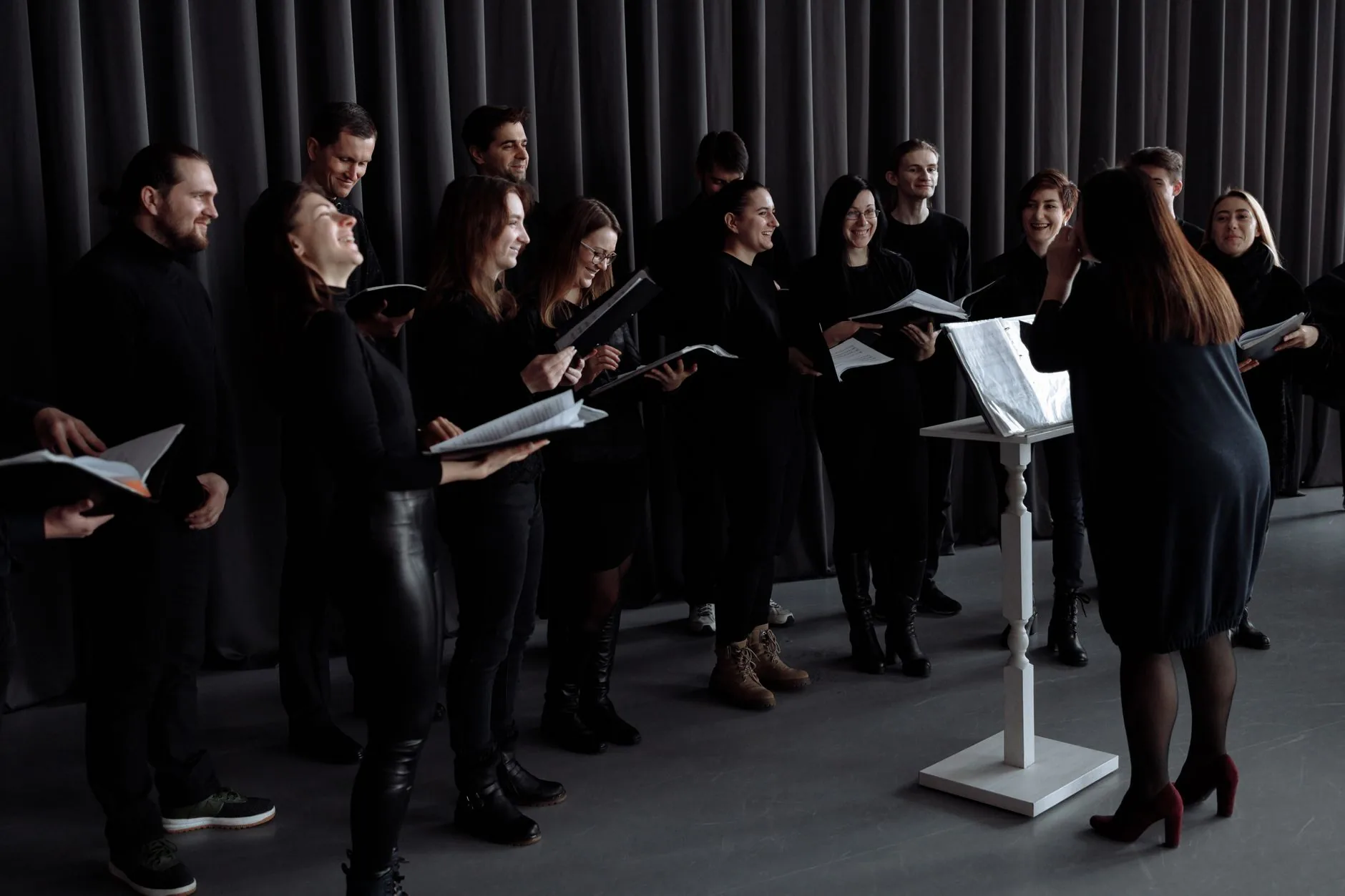
One inspiring success story is that of a young singer who joined the NLCC’s “Singing Schools” program at the age of seven. Through regular participation in the program, she developed a passion for singing and a strong foundation in music theory. Her confidence and vocal abilities grew significantly, and she eventually auditioned for and joined the NLCC’s Training Choir. Today, she is a member of the Senior Choir and has performed at prestigious venues like the Royal Albert Hall. Another success story involves a school that partnered with the NLCC for a term-long “Singing Schools” program. The program had a profound impact on the students, many of whom had never engaged with music before. By the end of the term, the students had not only improved their vocal skills but also developed a deep appreciation for music. The school reported increased participation in music-related activities and a noticeable boost in the students’ confidence and teamwork skills. These success stories highlight the transformative power of the NLCC’s education initiatives and the lasting impact they have on young people.
What are the next steps for the NLCC’s education initiatives?
NLCC’s initiatives keep evolving, with plans to expand reach, enhance programs, and form new partnerships.
NLCC aims to expand the reach of its education initiatives, bringing music education to even more schools and communities across London. One of the choir’s key goals is to enhance its existing programs, such as the “Singing Schools” initiative, by incorporating new teaching methods and technologies. The NLCC is also looking at opportunities to form new partnerships with music organizations, educational institutions, and cultural venues. These collaborations will help to enrich the musical experiences of young people and provide them with unique learning opportunities. Additionally, the NLCC is focused on evaluating the impact of its education initiatives and using the insights gained to continuously improve its programs. By staying at the forefront of music education, the NLCC ensures that its initiatives remain relevant, engaging, and effective in nurturing young talent. The choir’s dedication to innovation and excellence in music education sets the stage for a bright future for its education initiatives and the young people they inspire.
How does the NLCC measure the success of its education initiatives?
Feedback, assessments, and long-term impact studies are used by the NLCC to measure the success of its education initiatives.
Put simply: Think of this as a multi-layered evaluation process, like assessing a plant’s growth by checking its height, leaf count, and overall health at different stages.
Key facts
- The NLCC collects feedback from students, teachers, and parents.
- Regular assessments evaluate students’ musical progress and confidence.
- Long-term impact studies track the musical engagement of alumni.
- The NLCC uses this data to continuously improve its programs.
NLCC primarily measures success through feedback from participants. According to the NLCC, feedback forms are distributed to students, teachers, and parents at the end of each program. These forms gather insights into the participants’ experiences, the effectiveness of the teaching methods, and the overall impact of the initiatives. For instance, the “Singing Schools” program collects feedback from teachers to assess how the program aligns with the school’s curriculum and supports the students’ learning objectives. Additionally, the NLCC conducts regular assessments to evaluate students’ musical progress and confidence. These assessments include vocal exercises, sight-reading tests, and group performances. The data collected from these assessments helps the NLCC to identify areas of improvement and tailor its programs to better meet the needs of the students. Beyond that, the NLCC conducts long-term impact studies to track the musical engagement of its alumni. These studies provide valuable insights into the lasting effects of the choir’s education initiatives and help to identify trends and patterns in the participants’ musical journeys. By combining feedback, assessments, and long-term impact studies, the NLCC gains a comprehensive understanding of the success of its education initiatives and uses this data to continuously improve its programs.
| Measurement Method | Frequency | Key Metrics |
|---|---|---|
| Feedback Forms | End of Each Program | Participant Experience, Teaching Effectiveness, Program Impact |
| Regular Assessments | Quarterly | Vocal Progress, Sight-reading Skills, Confidence Levels |
| Long-term Impact Studies | Annually | Alumni Engagement, Musical Achievements, Program Influence |
To learn more about the NLCC’s education initiatives and how to get involved, visit their official website or contact their education team directly.
Frequently asked questions
How often are NYCGB auditions held?
NYCGB auditions are held annually, typically in the spring. Exact dates vary slightly each year, but they usually occur between April and June. Singers should check the official NYCGB website for the most up-to-date information on audition dates and deadlines.
What age range is eligible for NYCGB auditions?
NYCGB auditions are open to singers aged 16 to 23. This age range ensures that participants are mature enough to handle the demands of the program while still benefiting from the educational and performance opportunities it offers.
What is the audition process like for NYCGB?
The audition process for NYCGB involves multiple stages. Initially, applicants submit an application form and a recording of themselves singing. Successful candidates are then invited to a live audition, which includes vocal exercises, sight-reading, and a short interview.
Do I need to prepare a specific piece for the NYCGB audition?
Yes, applicants are required to prepare a piece of their choice for the live audition. This piece should showcase their vocal abilities and should be no longer than three minutes. Additionally, candidates may be asked to sing scales and arpeggios to demonstrate their technical skills.
Related Reading
- YLC: Recordings and Media Archive
- Tottenham Choir: Local Youth Singing Opportunities
- Sing Out Streatham: Grassroots Choir Initiative
Part of the Children’s Choir Auditions & Joining guide hub.