
Gemma Cavendish · on 18 July 2026 · 5 min read · Last reviewed 18 July 2026
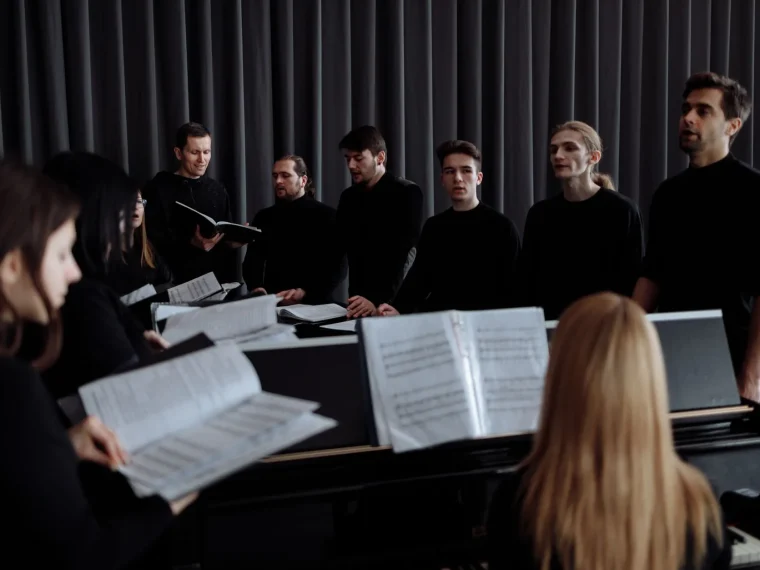
New London Children’s Choir features Sam Oladeinde singing
Sam oladeinde singing is the focus here. The choir’s educational approach combined rigorous technical training with a nurturing, holistic development of young singers.
The curriculum featured vocal exercises, music theory, and sight-reading, customized for each age group. For example, younger members concentrated on basic breathing techniques and pitch matching, while older members explored advanced harmonies and performance techniques. Former conductors noted that this structured yet flexible approach allowed each child to advance at their own pace while contributing significantly to the ensemble.
Choir members were urged to engage with the emotions and narratives in their performances, stressing musical expression and interpretation. This was clear in their contemporary pieces, like Eric Whitacre’s “When David Heard,” where they effectively communicated profound grief and strength, leaving a strong impact on listeners.
Upon first observing the choir’s performances, I noticed how their educational methods resulted in a sophisticated, refined sound. Their skill in combining technical accuracy with emotional resonance reflected their extensive training.
How did the New London Children’s Choir engage with the community?
Active engagement with the community through outreach programs, educational workshops, and public performances characterized the choir.
A standout project of theirs was the “Singing for All” program, giving free or low-cost singing workshops to children and adults in underserved areas. These sessions taught basic vocal skills, group singing, and music appreciation, introducing many to choral music.
Choir members also worked with local schools and community centers to bring music education to a wider audience. For example, they partnered with the Barbican Centre to host workshops and performances that were open to the public. According to the Barbican’s reports, these events drew large crowds and fostered a greater appreciation for choral music among attendees.
Public performances were another key aspect of their community engagement. The choir regularly performed at local festivals, charity events, and community gatherings, sharing their music with a diverse audience. Their performance at the City of London Festival was particularly memorable, featuring a mix of classical and contemporary pieces that showcased their versatility and musical prowess.
What were the rehearsal schedules like for the New London Children’s Choir?
Rehearsal schedules were designed to accommodate the busy lives of young singers, with regular sessions that balanced commitment and flexibility.
Junior choir members typically rehearsed once a week for one to two hours, focusing on basic skills and simple repertoire. As members progressed to the intermediate and senior choirs, rehearsals became more frequent and intensive, with sessions ranging from two to four hours per week. According to the choir’s former members, this structured schedule allowed them to develop their skills without feeling overwhelmed.
Weekend workshops and intensive rehearsals were also held by members leading up to major performances. These sessions provided an opportunity for members to refine their skills and prepare for complex pieces. For example, ahead of their performance at the Royal Albert Hall, the choir held a weekend workshop focused on the technical demands of the repertoire and stage presence.
Key facts
- Junior choir members rehearsed once a week for 1-2 hours, focusing on basic skills.
- Intermediate and senior choir members rehearsed 2-4 hours per week, with additional workshops.
- Weekend workshops and intensive rehearsals were held before major performances.
- Rehearsals took place at Highgate Primary School and later at All Hallows, Gospel Oak.
What were the admission criteria for the New London Children’s Choir?
New London Children’s Choir admission criteria focused on vocal ability, musical potential, and a passion for singing.
Prospective members were required to demonstrate basic vocal skills, such as singing in tune and maintaining rhythm. They were also assessed on their ability to sight-read and understand basic music theory. According to the choir’s website, these criteria ensured that members had a solid foundation to build upon and could contribute meaningfully to the ensemble.

Singing a prepared piece, performing scales, and sight-reading were all parts of the audition process. Judges looked for not just technical skill but also a willingness to learn and a passion for music. For example, a candidate might be asked to sing a simple melody and then demonstrate their ability to match pitch and maintain steady rhythm.
Admission Criteria Table
| Criteria | Requirements |
|---|---|
| Vocal Ability | Sing in tune, maintain rhythm, demonstrate basic vocal techniques |
| Musical Potential | Sight-read, understand basic music theory, show willingness to learn |
| Passion for Singing | Demonstrate enthusiasm, commitment, and a love for music |
What were the performance opportunities for the New London Children’s Choir?
Members enjoyed many performance opportunities, ranging from local concerts to international tours and collaborations with renowned musicians.
Local performances included concerts at prestigious venues such as the St. Paul's Cathedral and the Royal Festival Hall. These performances often showcased a mix of classical and contemporary pieces, highlighting the choir’s versatility and technical prowess. According to former members, performing at these iconic venues was a highlight of their time in the choir.
International tours and festivals were also part of the choir’s activities, offering members priceless exposure and experience. For example, they performed at the Edinburgh International Festival, where they captivated audiences with their rendition of John Rutter’s “Gloria.” Their international performances were often praised for their ability to transcend cultural barriers and connect with diverse audiences.
Collaborations with renowned musicians and orchestras were another key aspect of the choir’s performance opportunities. They performed with the London Symphony Orchestra and other prominent ensembles, showcasing their ability to hold their own alongside professional musicians. According to critics, these collaborations were marked by a high level of musicality and cohesion, demonstrating the choir’s exceptional talent and preparation.
Performance Opportunities Table
| Type of Performance | Examples |
|---|---|
| Local Concerts | St. Paul’s Cathedral, Royal Festival Hall, Barbican Centre |
| International Tours | Edinburgh International Festival, European choral festivals |
| Collaborations | London Symphony Orchestra, Royal Albert Hall performances |
To explore similar performance opportunities, consider joining local choirs or music programs that offer a range of performance experiences. Attending concerts and workshops can also provide valuable insights and inspiration for young singers.
One practical step is to research local choirs and their performance schedules. Another option is to participate in music festivals and competitions that offer exposure and learning opportunities. By engaging with a variety of musical experiences, young singers can develop their skills and passion for music.
Frequently asked questions
How does Sam Oladeinde incorporate storytelling into his live performances?
Sam Oladeinde uses his live performances as a platform to share personal and relatable stories, often weaving them into his music. This creates a deeper connection with his audience, making each performance unique and emotionally engaging. His ability to blend narrative with music sets him apart.
What characterizes Sam Oladeinde's vocal style?
Sam Oladeinde's vocal style is marked by its raw emotional depth and versatility. He effortlessly shifts between soulful ballads and energetic performances, showcasing his range and control. His distinctive voice carries a sense of authenticity that resonates with listeners.
How does Sam Oladeinde engage with his audience during live performances?
Sam Oladeinde is known for his interactive and inclusive approach to live performances. He often encourages audience participation, whether through call-and-response or spontaneous improvisations. This dynamic interaction creates a vibrant and memorable atmosphere.
What sets Sam Oladeinde's live performances apart from studio recordings?
Live performances by Sam Oladeinde are characterized by their spontaneity and energy, which often exceed the polished nature of studio recordings. His live shows feature extended jams, improvisational elements, and a palpable connection with the audience, making each performance a unique experience.
Related Reading
- LSO Family Concerts: What to Expect for Young Audiences
- Royal Festival Hall Christmas 2025: Concert Highlights
- Who Sang Bohemian Rhapsody at the Proms? Performance Breakdown
Part of the Performances & Event Diaries guide hub.