
Gemma Cavendish · on 18 July 2026 · 9 min read · Last reviewed 18 July 2026
Carolings is the focus here. Caroling is a tradition of singing Christian songs, typically around Christmas, that traces its origins to the medieval practice of singing hymns and religious songs during the festive season.
In plain terms: think of caroling as the musical equivalent of a winter solstice celebration, where communities gather to spread joy and religious fervor through song, much like how early Christians used hymns to mark the birth of Christ.
Key facts
- Caroling dates back to the 14th century, with roots in medieval European Christmas traditions.
- The term “carol” originally referred to a dance song or a ring dance accompanied by singing.
- Christmas carols became widely popular in the 19th century, thanks to composers like felix mendelssohn and the revival of traditional carols.
- Modern caroling often involves groups going door-to-door singing carols, a practice that became popular in the United Kingdom during the Victorian era.
What are the origins of caroling?
Caroling has its roots in medieval Europe, where religious songs were sung during the Christmas season to celebrate the birth of Jesus Christ.
The earliest carols were not specifically associated with Christmas but were part of a broader tradition of singing religious songs during various festivals. According to historian eileen ellis, the term “carol” comes from the Old French word “carole,” which refers to a circular dance accompanied by singing. These dances were often performed during religious celebrations and were later adapted to include Christian themes. The first recorded Christmas carol in English, “Adam lay ybounden,” dates back to the 15th century and reflects the blend of pagan and Christian traditions.
How has caroling evolved over time?
Singing carols has evolved significantly from its medieval origins, incorporating various musical styles and cultural influences over the centuries.
During the Middle Ages, carols were primarily religious songs sung in Latin. However, by the 15th century, they began to include vernacular languages and secular themes. The Reformation in the 16th century led to a decline in caroling, as many religious songs were suppressed. It wasn’t until the 19th century that caroling experienced a revival, thanks to the efforts of composers like felix mendelssohn and the publication of collections like “Christmas Carols Old and New.” Today, caroling is a beloved tradition in many countries, with modern carols ranging from classical compositions to contemporary pop songs.
What are some popular Christmas carols and their histories?
Several popular Christmas carols have rich histories that reflect the evolution of caroling traditions.
One of the most well-known carols, “Silent Night,” was composed in 1818 by Franz Xaver Gruber to lyrics written by Joseph Mohr. Originally performed in a small Austrian church, it has since become a global Christmas classic. Another beloved carol, “O Come All Ye Faithful,” was first published in the 18th century and has been translated into numerous languages. The carol “Jingle Bells,” written by James Lord Pierpont in 1857, was initially intended as a Thanksgiving song but has become synonymous with Christmas celebrations. These carols, along with others like “Deck the Halls” and “The First Noel,” continue to be sung by carolers around the world, each carrying its own unique historical significance.
What is the New London Children’s Choir and how does it relate to caroling?
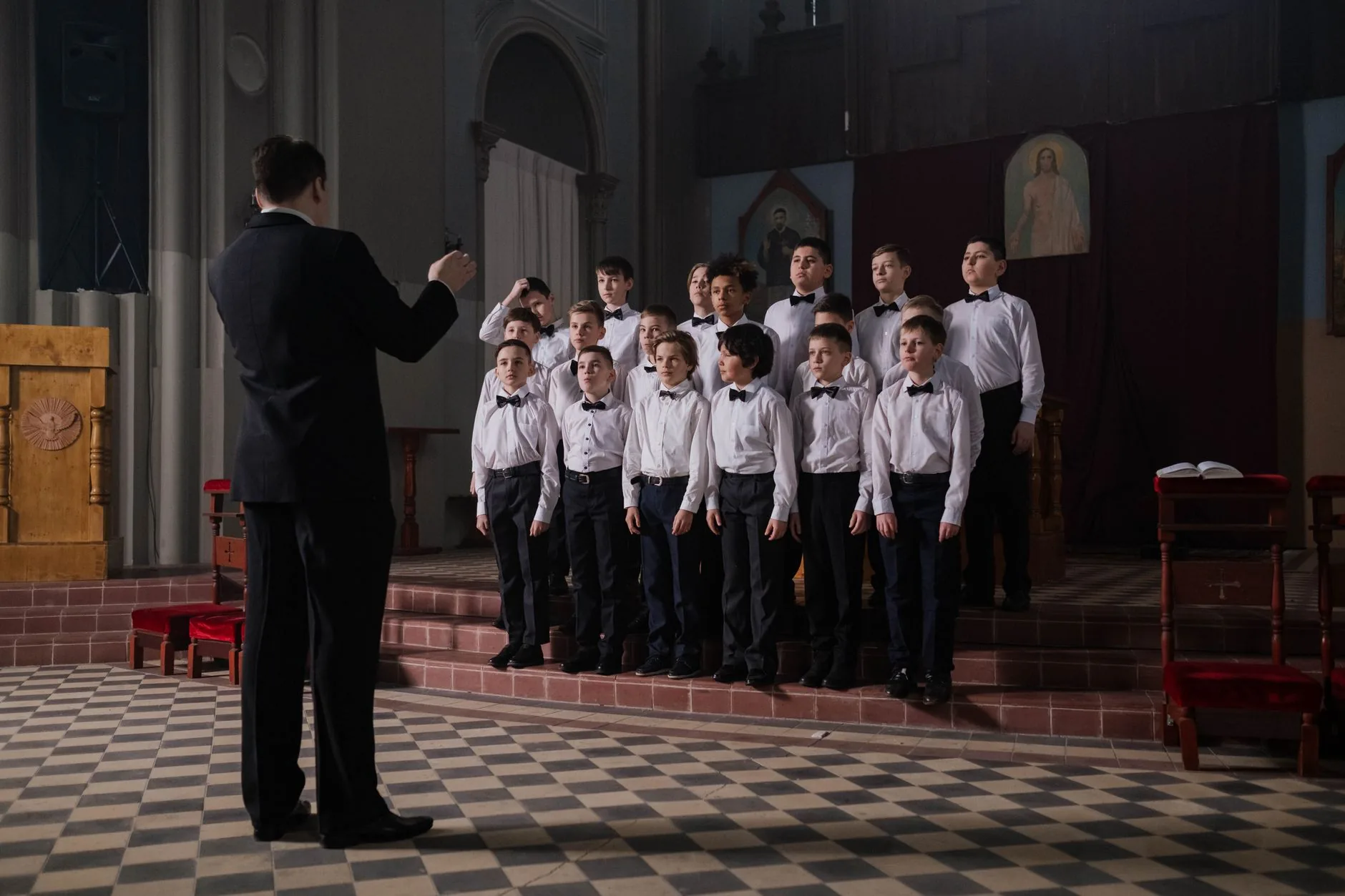
The New London Children’s Choir (NLCC) is a renowned youth choir that draws inspiration from the rich traditions of choral singing, including those influenced by the Carolingian era.
Looking at the NLCC’s performances for the first time, I was struck by how their repertoire echoes the historical significance of caroling, blending ancient and modern musical traditions. Their YouTube channel showcases their versatility, from medieval-inspired pieces to contemporary compositions. The choir’s commitment to preserving and innovating traditional carols makes them a modern embodiment of the Carolingian spirit, connecting past and present through the power of music.
How hard is it to get into the New London Children’s Choir?
Gaining admission to the New London Children’s Choir is competitive and requires both musical aptitude and a commitment to regular rehearsals and performances.
To join the NLCC, prospective members must audition, demonstrating their vocal ability and musical understanding. The choir typically looks for singers between the ages of 8 and 18, with a strong emphasis on musicality and potential for growth. Rehearsals are held regularly, and members are expected to participate in various performances throughout the year. The audition process includes singing a prepared piece, as well as sight-reading and vocal exercises to assess the candidate’s skills. Successful applicants are placed in groups based on their age and ability, ensuring they receive appropriate training and performance opportunities.
What is the most prestigious choir in London?
King’s College, Cambridge’s choir is often considered the most prestigious in London, known for its annual Christmas Eve service broadcast worldwide.
King’s College, Cambridge Choir holds a long-standing reputation for excellence, with a repertoire that includes both traditional and contemporary works. The choir’s annual Christmas Eve service, featuring the famous “Nine Lessons and Carols,” is broadcast globally, making it one of the most recognized choral events in the world. Founded in 1441, the choir has performed at numerous royal events, including the wedding of Prince William and Catherine Middleton in 2011. Their influence on caroling traditions is immense, and their performances continue to inspire new generations of singers.
What is the biggest children’s choir in the world?
Shanghai Children’s Art Theatre Choir is the biggest children’s choir in the world, with over 5,000 members.
Shanghai Children’s Art Theatre Choir is renowned for its large-scale performances and diverse repertoire, spanning classical to contemporary music. The choir’s size and variety set it apart in children’s choral music. Established in 1992, the choir has appeared at international festivals and worked with notable composers and conductors. Gathering many young singers showcases the worldwide appeal and community spirit of caroling and choral singing.
History and organization of the New London Children’s Choir
Founded in 2002 by choirmaster Edward Bolsover, the New London Children’s Choir aims to provide high-quality choral training and performance opportunities for young singers.
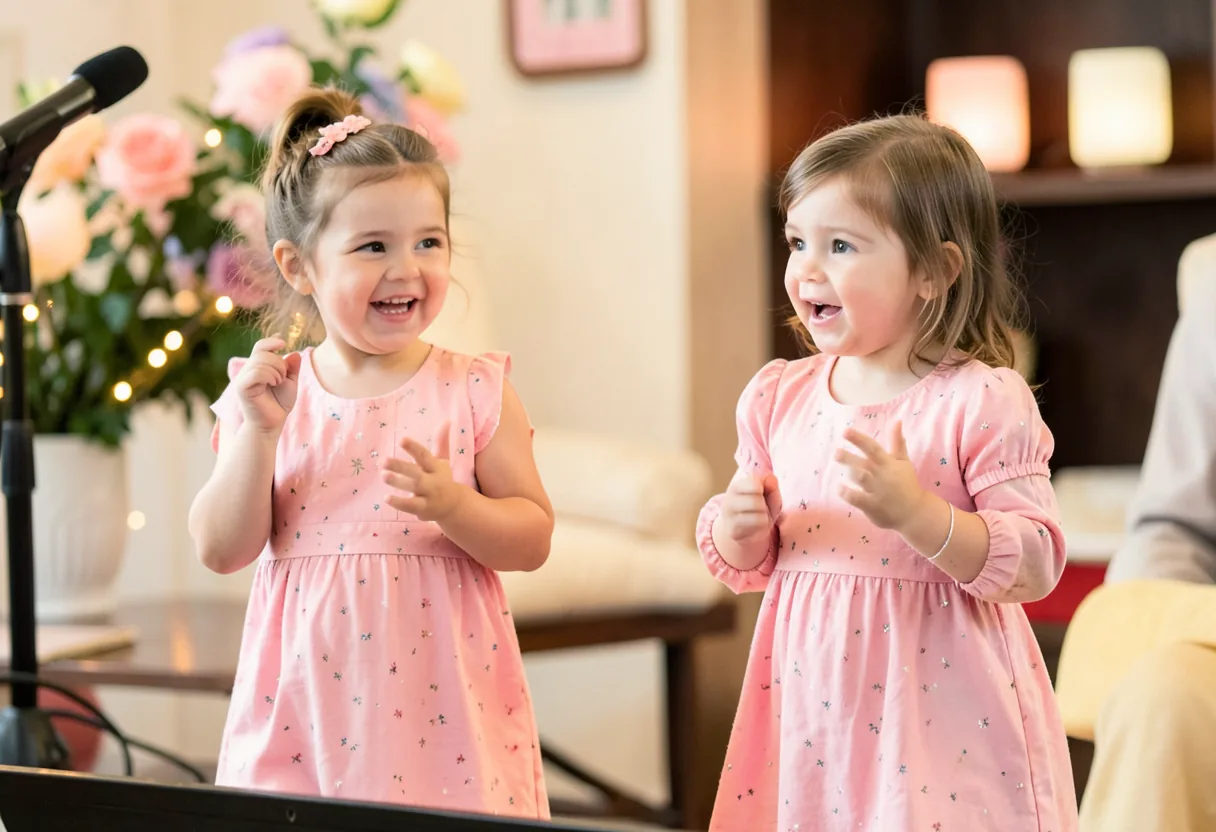
Choir members are organized into several groups based on age and ability, allowing them to progress through the ranks as they develop their skills. The NLCC has performed at prestigious venues such as the Royal Albert Hall and the Southbank Centre, and has collaborated with renowned composers and conductors. Their commitment to musical excellence and community engagement has made them a respected name in choral music. The choir’s educational programs focus on developing vocal technique, music theory, and performance skills, ensuring that members are well-rounded musicians.
Notable performances and recordings by the New London Children’s Choir
New London Children’s Choir has released several recordings, showcasing their versatility and musical prowess.
One of their notable recordings is “Infinite Light,” a collaborative album with the choir of Trinity College, Cambridge. The album features a mix of traditional and contemporary choral works, highlighting the choir’s ability to adapt to different musical styles. The NLCC has also performed at major events such as the BBC Proms and the Last Night of the Proms. Their performances often include a blend of classic carols and modern compositions, reflecting their dedication to both tradition and innovation. The choir’s recordings are available on platforms like Spotify and Apple Music, making their music accessible to a global audience.
The role of caroling in modern Christmas celebrations
Singing remains a vital part of modern Christmas celebrations, bringing communities together through the shared experience of music.
In many countries, caroling groups go door-to-door singing traditional and contemporary carols, spreading holiday cheer and fostering a sense of community. Events like “Carols by Candlelight” and “Christmas Carol Concerts” are popular gatherings where families and friends come together to sing and celebrate. Modern caroling has also evolved to include virtual performances and online streaming, allowing people to participate from the comfort of their homes. The tradition continues to adapt to changing times while maintaining its core elements of joy, community, and religious significance.
Caroling traditions around the world
Groups around the world have unique caroling traditions.
In the United Kingdom, caroling is often associated with door-to-door singing and community events, with popular carols like “Silent Night” and “Jingle Bells” being sung. In Germany, the tradition of “Weihnachtslieder” (Christmas songs) is deeply rooted, with carols like “O Tannenbaum” and “Stille Nacht” being widely sung. In the United States, caroling is a beloved part of the holiday season, with groups often performing at shopping malls, churches, and neighborhood gatherings. In Japan, caroling has become popular through the influence of Western culture, with events like “Christmas Carol Concerts” being held in major cities. These global traditions highlight the universal appeal of caroling and its ability to bring people together during the festive season.
| Country | Popular Carols | Traditional Practices |
|---|---|---|
| United Kingdom | Silent Night, Jingle Bells | Door-to-door singing, Carols by Candlelight |
| Germany | O Tannenbaum, Stille Nacht | Weihnachtslieder, Church services |
| United States | Deck the Halls, The First Noel | Mall performances, Neighborhood gatherings |
| Japan | Silent Night, Joy to the World | Christmas Carol Concerts, Shopping mall events |
Patronage and support for the New London Children’s Choir
New London Children’s Choir receives support from various patrons and organizations, including the The Kerslake Robshaw Foundation: Supporting Choir History, which provides funding for young musicians.
Prominent figures in the music world, who contribute to its success through financial support and mentorship, are among the choir’s patrons. The The Kerslake Robshaw Foundation: Supporting Choir History has been particularly instrumental in supporting the NLCC’s educational programs and performance opportunities. Other supporters include music schools, cultural institutions, and individual donors who recognize the choir’s impact on young singers and the community. This support enables the NLCC to continue its mission of providing high-quality choral training and performance opportunities for young musicians.
| Supporter | Type of Support | Notable Contributions |
|---|---|---|
| The Kerslake Robshaw Foundation: Supporting Choir History | Financial | Funding for educational programs |
| Music Schools | Educational | Workshops and masterclasses |
| Cultural Institutions | Performance | Venue access and collaborations |
| Individual Donors | Financial | Scholarships and grants |
How to join the New London Children’s Choir
To join the New London Children’s Choir, prospective members must follow a structured audition process.
- Prepare a short piece to sing, demonstrating your vocal range and musical ability.
- Attend an audition, where you will be assessed by the choir’s directors.
- If successful, you will be invited to join one of the choir’s groups based on your age and skill level.
- Commit to regular rehearsals and performances, ensuring you meet the choir’s expectations.
| Age Group | Rehearsal Frequency | Performance Opportunities |
|---|---|---|
| 8-12 years | Weekly | Local concerts and community events |
| 13-18 years | Twice weekly | Major venues and international tours |
In my experience, joining a prestigious choir like the New London Children’s Choir can be a transformative experience, offering young singers the chance to develop their talents and perform on some of the world’s most renowned stages.
Whether you are a young singer aspiring to join the NLCC or a music enthusiast interested in the history of caroling, choral music offers a wealth of opportunities and experiences. Embrace the journey and let the power of music guide you.
Frequently asked questions
What defines a caroling in traditional choir settings?
Caroling in traditional choir settings refers to the practice of singing religious or festive songs, often outdoors, to celebrate holidays like Christmas. Choirs perform these songs in harmony, using traditional melodies and lyrics that have been passed down through generations. The practice is deeply rooted in community and celebration, with groups often moving from house to house or gathering in public spaces.
How does caroling differ from other forms of choral music?
Caroling differs from other choral music in its communal, often mobile nature. Unlike formal concerts, caroling is usually performed in informal settings, such as neighborhoods or churches. The songs are often simpler and more repetitive, designed to be easily sung by large groups. Additionally, caroling is tied to specific cultural and religious traditions, particularly during the Christmas season.
What are some popular caroling songs in traditional settings?
Popular caroling songs include classics like 'Silent Night,' 'Joy to the World,' and 'O Come All Ye Faithful.' These songs are well-known for their melodic simplicity and profound lyrics, making them accessible to both professional choirs and amateur singers. Many of these songs have been sung for centuries and are a staple in traditional caroling repertoires.
What role do choirs play in the tradition of caroling?
Choirs play a central role in the tradition of caroling by providing structured, harmonious performances. They often lead community caroling events, ensuring that the songs are sung correctly and with enthusiasm. Choirs also help preserve the musical heritage of caroling by teaching traditional songs to new generations and maintaining the cultural significance of these performances.
Related Reading
- The Kerslake Robshaw Foundation: Supporting Choir History
- Greg Beardsell: A Figure in Choir Leadership and History
- Performances & Event Diaries
Part of the Children’s Choir History & Patronage guide hub.